Types of Processing

Finishing techniques applied to natural stone in the final stage are essential because they modify its appearance and texture by changing its colour and surface, influence its performance to suit specific uses (interior or exterior), improve its resistance to weathering, and facilitate cleaning, while enhancing aesthetics, safety, and durability without compromising quality.

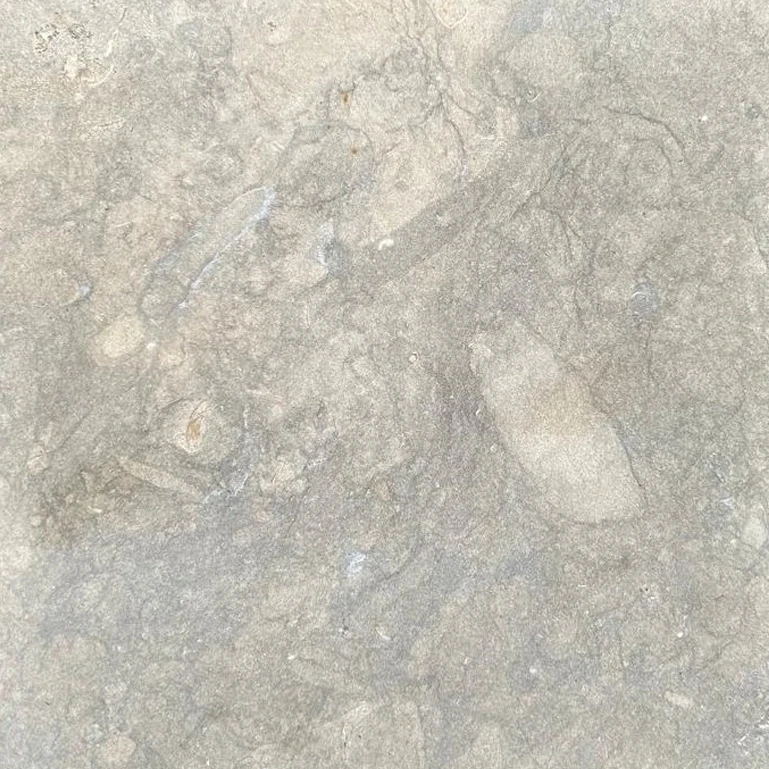
Levigatura
Grigio Artè honed

Honing

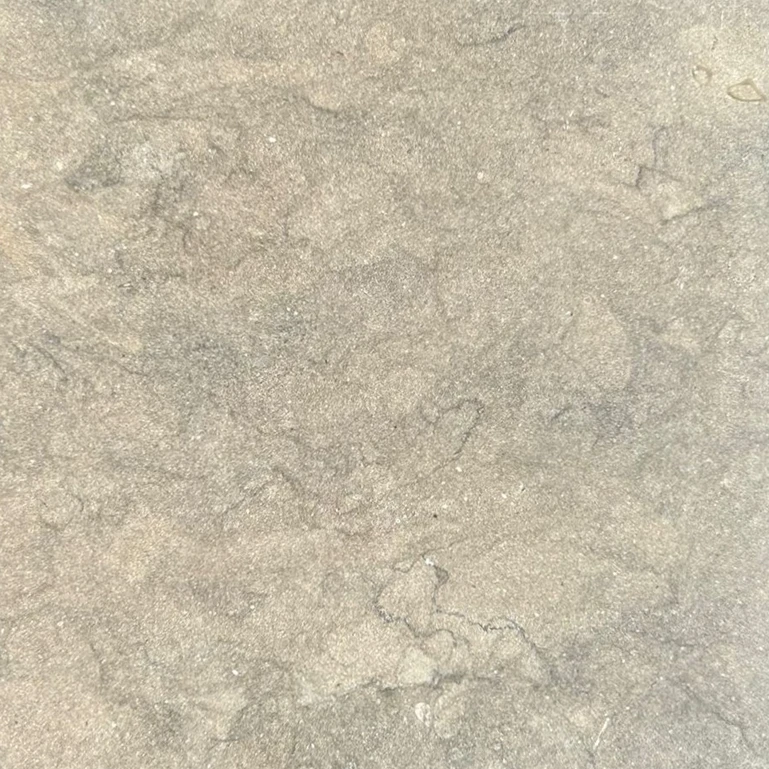
Honing is a specific process that gives the stone a matte, smooth, and uniform finish, carried out using special abrasive tools.

The result is an elegant-looking and easy-to-maintain material, ideal for any environment, especially high-traffic areas where high anti-slip safety characteristics are required.

Polishing

Polishing is a special treatment that gives natural stone a glossy surface and enhances its original colours.

Achieved through the application of increasingly fine abrasives until a reflective finish is obtained. It is ideal for cladding and flooring, adding elegance and sophistication to the environment.

Lucidatura
Grigio Artè polished
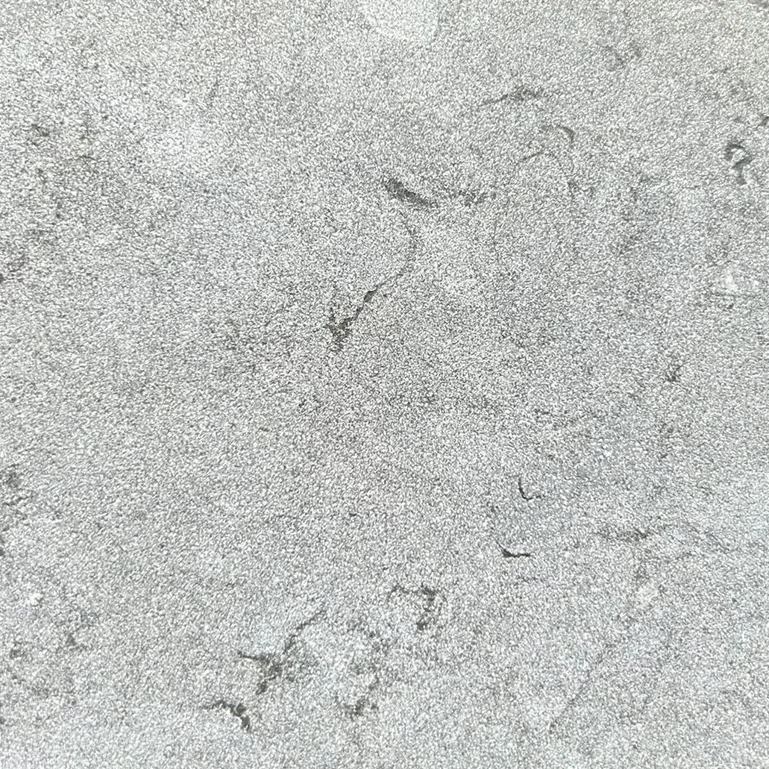
Sabbiatura
Grigio Artè sandblasted

Sandblasting

Sandblasting is a specific process that uses a jet of sand and water to make the stone surface rough, low-reflective, and non-slip, giving it a natural and aged appearance.

This treatment softens the original tones, making the colours lighter and more delicate, while being ideal for flooring in humid environments or areas with a high risk of slipping.

Flaming

Flaming is a thermal process that subjects the surface to a high-temperature jet, creating a rough, slightly coarse texture with a unique chromatic effect.

This treatment is ideal for outdoor environments as well, thanks to its increased resistance to weathering and slipping and is often combined with brushing to reduce surface roughness and achieve a softer finish.

Fiammatura
Grigio Artè flamed
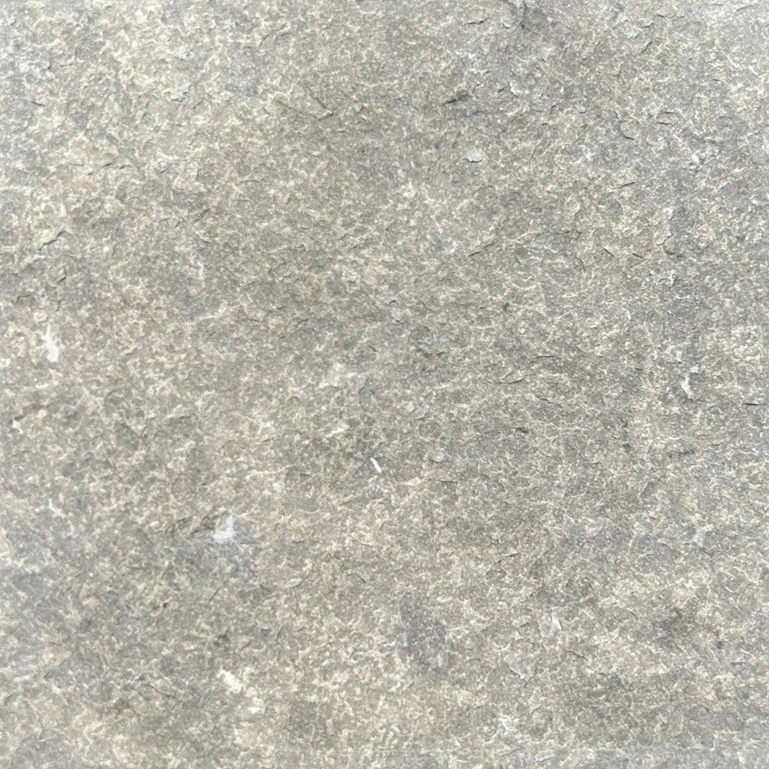
Spazzolatura
Grigio Artè brushed

Brushing (or “Leather” Effect)

Brushing is a special treatment carried out using abrasive brushes that give the surface a semi-gloss, aged, and slightly wavy appearance, enhancing natural veining.

Ideal for outdoor areas and interior environments with a lived-in and rustic look. It can be combined with flaming, sandblasting, or micro-bush-hammering to obtain rougher, non-slip surfaces.

Micro-Bush-Hammering

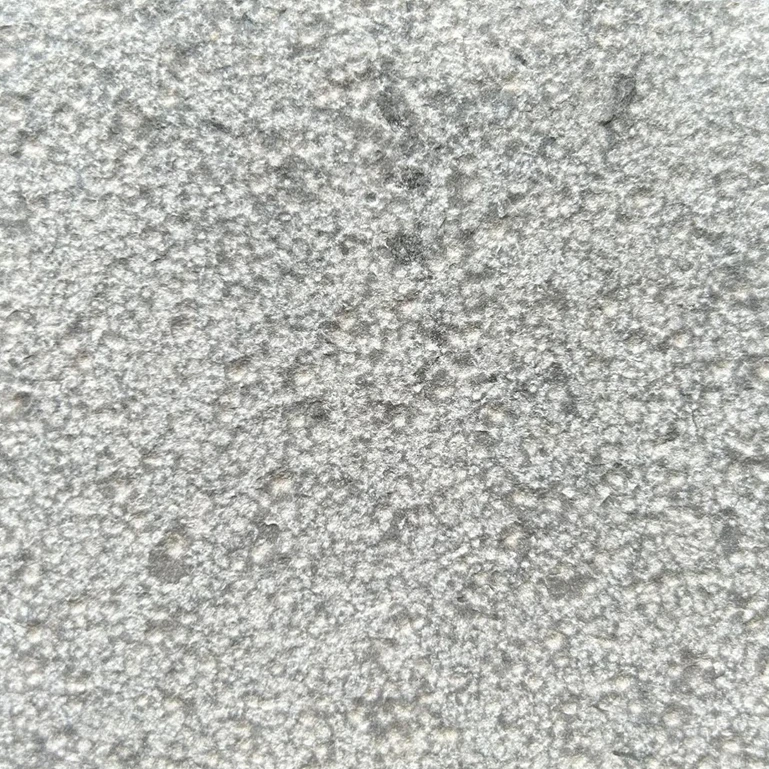
Micro-bush-hammering is an impact process carried out using a bush hammer, a special hammer equipped with micro-pyramidal tips that engrave the stone, creating a raised surface with a rustic effect.

This treatment evens out colour variations and gives the stone anti-slip properties, wear resistance, and a pleasant slight roughness. It is ideal for both interior and exterior environments.

Micro Bocciardatura
Grigio Artè hammered
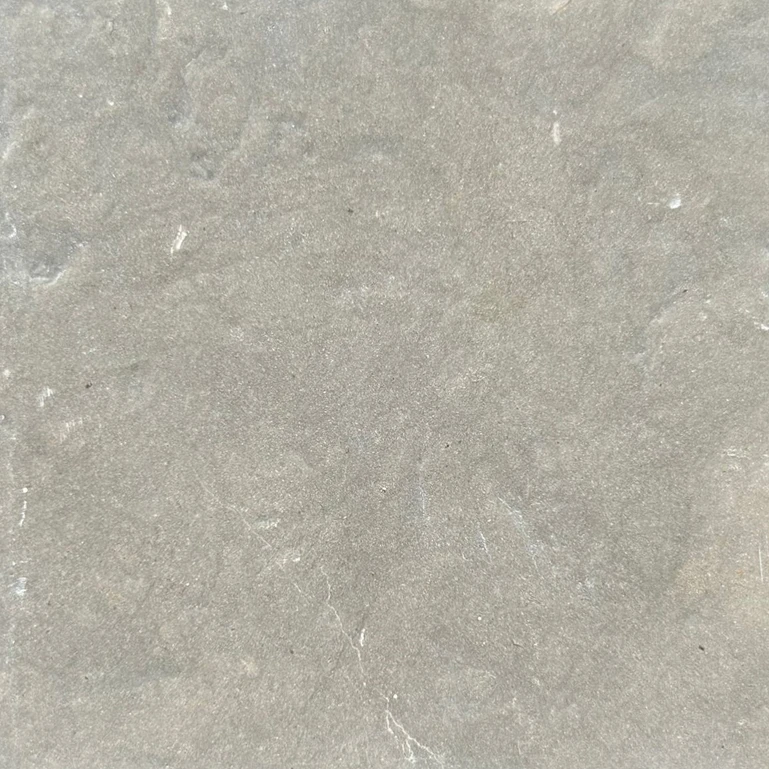
Split Face
Grigio Artè split-face

Split-Face Finish (Spaccatello or Split)

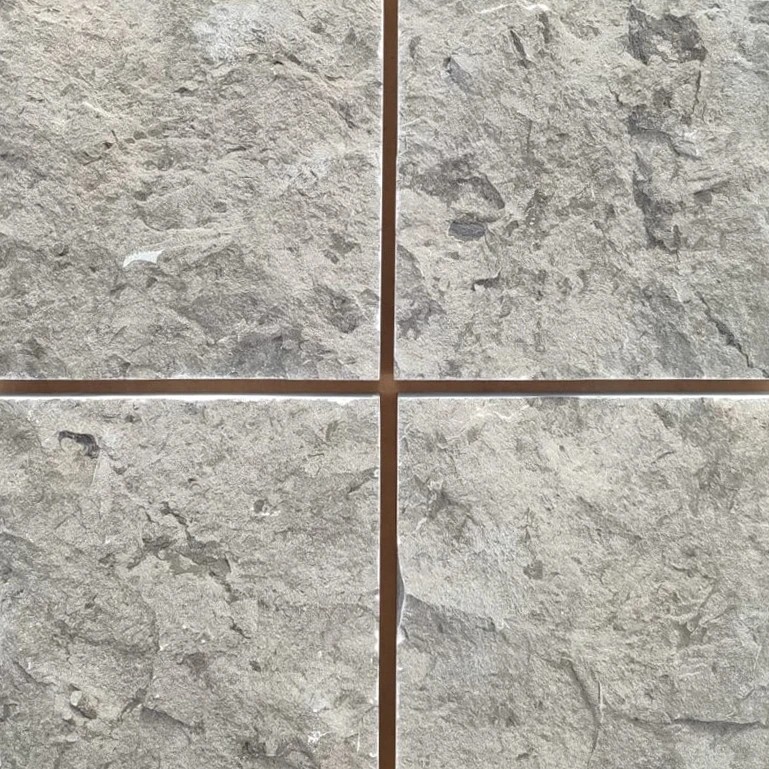
Split-face finishing is a treatment achieved through mechanical breaking of slabs, highlighting the natural surface of the stone and creating rustic, irregular, and rugged finishes.

Mainly recommended for cladding to achieve an irregular effect while preserving the natural variability of the stone’s coloration. Suitable for both interior and exterior use.

Tumbled Finish

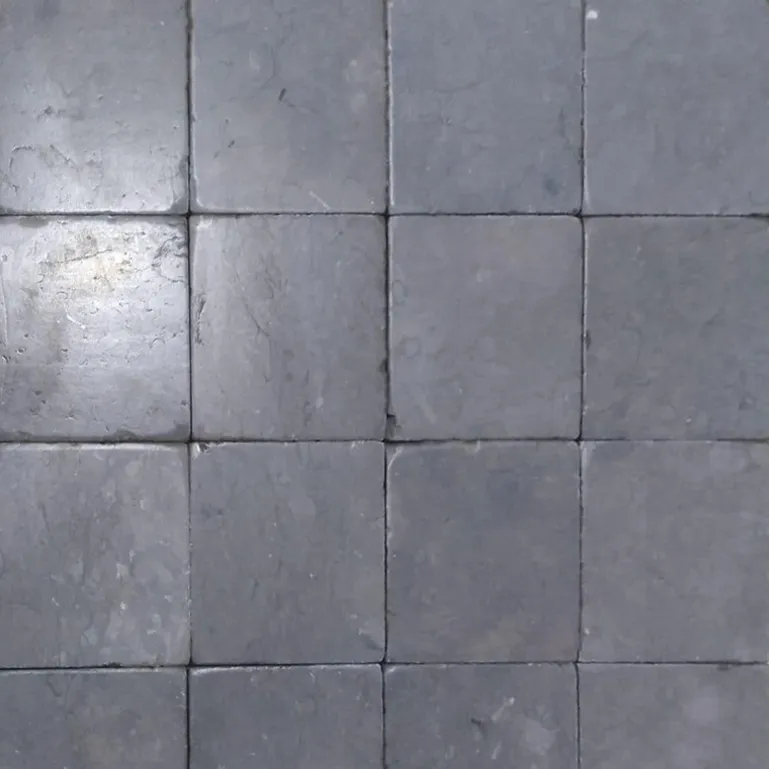
The tumbled surface is a special natural stone finish (especially for marble and travertine) that creates an antique-looking, smooth and naturally aged effect. It is characterised by rounded and irregular edges and corners.

This technique is achieved through a mechanical process in which the material is rounded in a rotating drum.

This creates a surface that is ideal for mediterranean, rustic designs in indoor and outdoor areas, e.g. floor coverings, walkways and pool surrounds.

Burattatura
Grigio Artè tumbled